Update 037.
Is Product Design Doomed?

One of the reasons I was drawn to a career in product design, was the prospect of bringing something into the world that wouldn’t otherwise exist. Design has been evangelised for the last 20+ years. Designers were the change agents that could embrace the new, apply structure and create products/systems that genuinely helped people. So why now are these same designers scared their industry may no longer exist in the near future?
I’ve withheld sharing my views on AI here. It’s a minefield out there and incredibly divisive. In all honesty - my views on AI change daily and are still being shaped. Too often I see opinions that take an extreme view and lack nuance. A lot of people’s views on AI are visceral and I totally understand why. Personally, the Design Council’s paper “The Centaur and the Minotaur" resonated hugely with where I sit and I find it helpful to separate AI into these two camps when talking about AI:
The Centaur
The human head leads and the machine body provides power
The Minotaur
The logic is reversed: the machine frames the problem, generates the options, and embeds the assumptions, while humans respond to what it presents.
The Case Against AI
The world is on fire. The UK declared a climate emergency back in 2019 following that hard hitting 2018 IPCC report. Do we really need a race to develop AGI, endless data centres powering millions of GPU’s, consuming endless energy and creating huge amounts of heat, placing placing increasing pressure on local water supplies in some regions to cool these systems? All for what? Generating yet more AI slop?
Compound this with the mining boom across copper, silicon and rare earth metals to fuel the growth of this industry.
Data centres accounted for 1.5% of all electricity use across the planet back in 2024. This expected to double by 2030, using more electricity than the whole of Japan.
And that’s only accounting for the impact on our planet, what about the cultural impact? AI by design, is trained on enormous collections of existing human content, aggregating this information to provide you with what you want - resulting in creative homogenisation. AI makes average work incredibly easy to produce. We’ve all seen countless examples with near identical event posters right? This is the minotaur approach and, for me, results in AI slop.
The Case for AI
Clearly mindless use of AI is bad - bad for the planet, bad for people and bad for culture. But does that mean that all use of AI is inherently bad?
If we take a step back and actually think back to what we are trying to do as designers - create meaningful products that add value to people’s lives - is it possible to reframe things? What if AI could help us do this? AI will never, and should never, replace real world human centred design research. Certain elements of the design process do not lend themselves to leaning on AI tools - we will always need to observe and speak to our users as designers. This is where the magic happens.
Equally, there are many across any design process that are incredibly time consuming and could benefit hugely from incorporating AI tools. For example, every product designer has a need to communicate their design intent to their client - telling the story. For years we have leveraged software to visualise our design ideas as realistically as possible - rendering materials and lighting and staging our designs to tell the story and create buy in. This used to be incredibly hard and relied on specialist skills (likely outsourcing) which made it inaccessible to many. Keyshot changed this hugely. Transforming what used to take days and years of training into hours with very little training. Having invested years using Keyshot and teaching students how to use Keyshot, I never thought there would come a day where I could see a future without keyshot.
Vizcom has quickly become my go to tool for visualising design ideas for the last 2 years. The pace of evolution and the control possible now is mind boggling. What used to take a few hours to setup and render overnight, now takes under an hour.
Alongside the ethical issues around AI and ownership, many have concerns around the environmental impact of mass adoption of AI (and rightly so as outlined above!). Mindless use of AI is an incredible drain on our precious resources however with some quick back of the napkin calculations for this specific use case, there is a sustainability argument to be made in favour of design visualisation using AI.
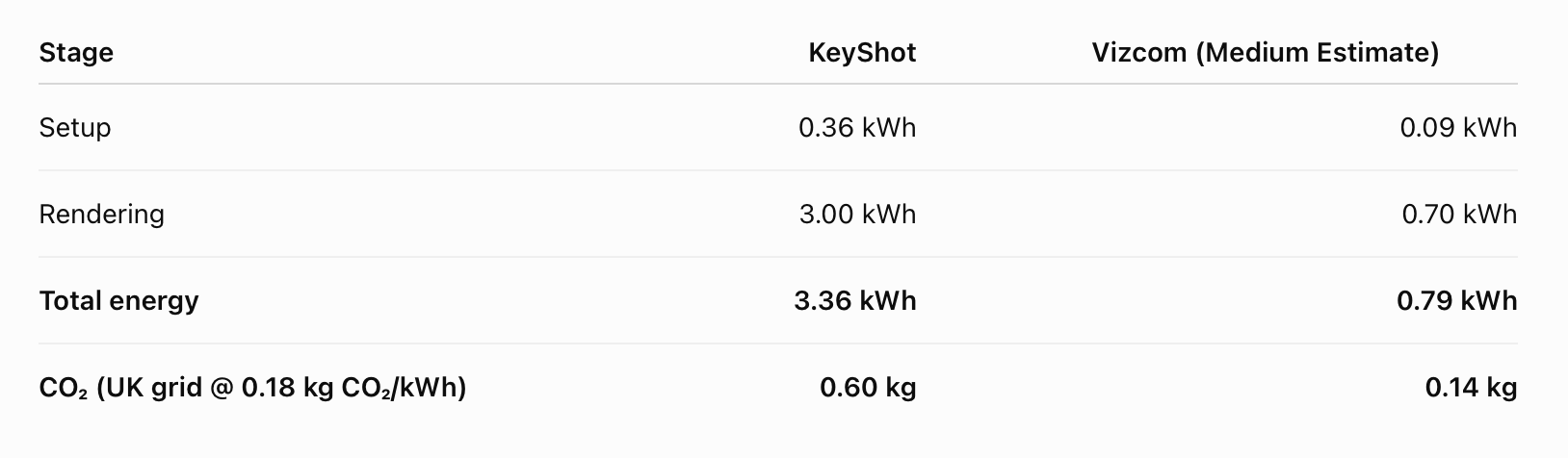
* There is no published data on energy use for image creation in Vizcom. Discussion forums suggest there is a range of 0.01-0.05KW/image generated, therefore a median value of 0.03KW/image has been used above.
This approach also democratises the production of high quality, engaging design visualisation. There is no longer a need for high spec hardware and expensive software - opening the door to an even broader group of designers.
This is the Centaur approach, for me, adding huge value to any design process.
The Design Council’s paper shared previously states: “Research shows that human-AI design teams work best when humans lead.”
Are Product Designers Doomed?
I don’t think AI will replace designers. I think designers who surrender judgement to AI will replace themselves. The future belongs to designers who use AI as horsepower rather than a compass. That’s the difference between the Centaur and the Minotaur.
I don’t know what product design will look like in ten years time. None of us do. The tools will change, workflows will evolve and some parts of the job will almost certainly become automated. But the organisations that create products people genuinely love will still need people who understand people. They’ll still need curiosity, judgement and taste. Those have always been the hardest parts of design, and I suspect they always will be.
To stand out in a world of AI, I believe that the below 3 skills will always set you apart as a product designer:
Human First. As designers we should be embracing human centred design more than ever – developing empathy for those we are designing for to bring joyful experiences into everyday life. Great products begin with curiosity: watching how people behave, listening to what they don’t say, and uncovering needs they can’t always articulate. So many products on the market currently have leveraged these tools negatively to support the attention economy. As the tech bro’s chase AGI at an ever increasing pace, I strongly believe that the desire for real world, human experiences will only grow. This is something we can, and should, be leaning it. Not avoiding technology, but leveraging it to create moments of delight.
Technical Skills. Designers will always need to embrace and become masters of the best tools available – be they analogue or digital. Stellar CAD skills have been a non negotiable for over a decade. Designers will always think through drawing. In an ever increasingly competitive market place, designers don’t have the privilege of sitting on the side lines when it comes to developing new skills. It’s one of the things I value most – constantly learning new skills and being a lifelong learner. I would never have never imagined that I would be replacing Keyshot as a visualisation tool but that tipping point is close for me personally.
Design Intuition. I never used to buy into this notion of intuition within design and I certainly don’t believe it’s something you are “born” with. I’ve come round to the idea that design intuition is curated over time through exposure. Designers see the world differently and are obsessive over details most pass by without noticing. Designers are constantly absorbing the world around them. This compounds over time and cannot be replaced by AI. The way we bumble through life lacks logic and we make connections that otherwise wouldn’t be possible (that lightbulb moment). Silicone valley has been chasing “taste” over the last few months as they vye for cultural relevance. They’re losing.
A Small Ask
Did this months focus resonate with you? Do you own one of my products? Can I kindly ask you to consider writing a review on my website? Your feedback helps others trust in my little brand. It only takes a minute and means the world.
Want to listen to this update as a podcast?
Try listening to this month’s update as a podcast below and let me know what you think. I have been testing the water with notebooklm for a year now and it keeps getting better.
Don’t forget, help me to spread the reach by getting your friends and family to sign up below :)
My Products, My philosophy
I find myself more driven than ever to put thoughtful, meaningful products out into the world that don’t compromise on quality. The type of products people want to own and help in some way.
I want to design products that intentionally take us out of auto-pilot. That incense holder that sits next to you throughout the day, reminding you to take a break. The coffee cup that feels just right in the hand and encourages you to savour every sip.
Objects designed to help you notice the moments you’re in. Support a small independent designer :)
I’m down to my last few sets of Mμ and Laminar with no plans to restock soon, so get yours while stock lasts.


As a thank you, you can use this discount code at checkout (available site wide): SubstackCrew (10% off).

Last months most clicked link: What I told designers graduating into the AI era.
My top 5 pieces of content I have found helpful/inspiring:
1.
3 Days of Design - Morrama. 3 Days of Design received a lot more coverage this year and has begun to be talked about in the same vein as Milan Design Week. A lovely write up from the team at Morrama.
2.
New Designers. I am just back from setting up our graduates work in London for New Designers (the annual showcase for graduating designers across the UK). Always a great buzz of excitement and wishing all of this years graduates the best of luck as they kickstart their careers.
3.
Hard Fork - How AI is changing loneliness. A brilliant, lighthearted podcast on AI developments. This week featured an inspiring story around how AI is being used to support the elderly with loneliness and living independently in their homes.
4.
The World Cup Souvenir taking over. World Cup fever has taken over - the football has been hugely compelling with goals galore. The one story really taking off though? The free World Cup charm bracelets.
5.
UK bans social media for under 16’s. Delighted to see the UK follow Australia here. The sentiment is in the right place and regardless as to whether this ban will actually effect change or move the needle - the conversation has changed and it’s positive to see our young people being properly considered here.

Vizcom Challenge (Update)
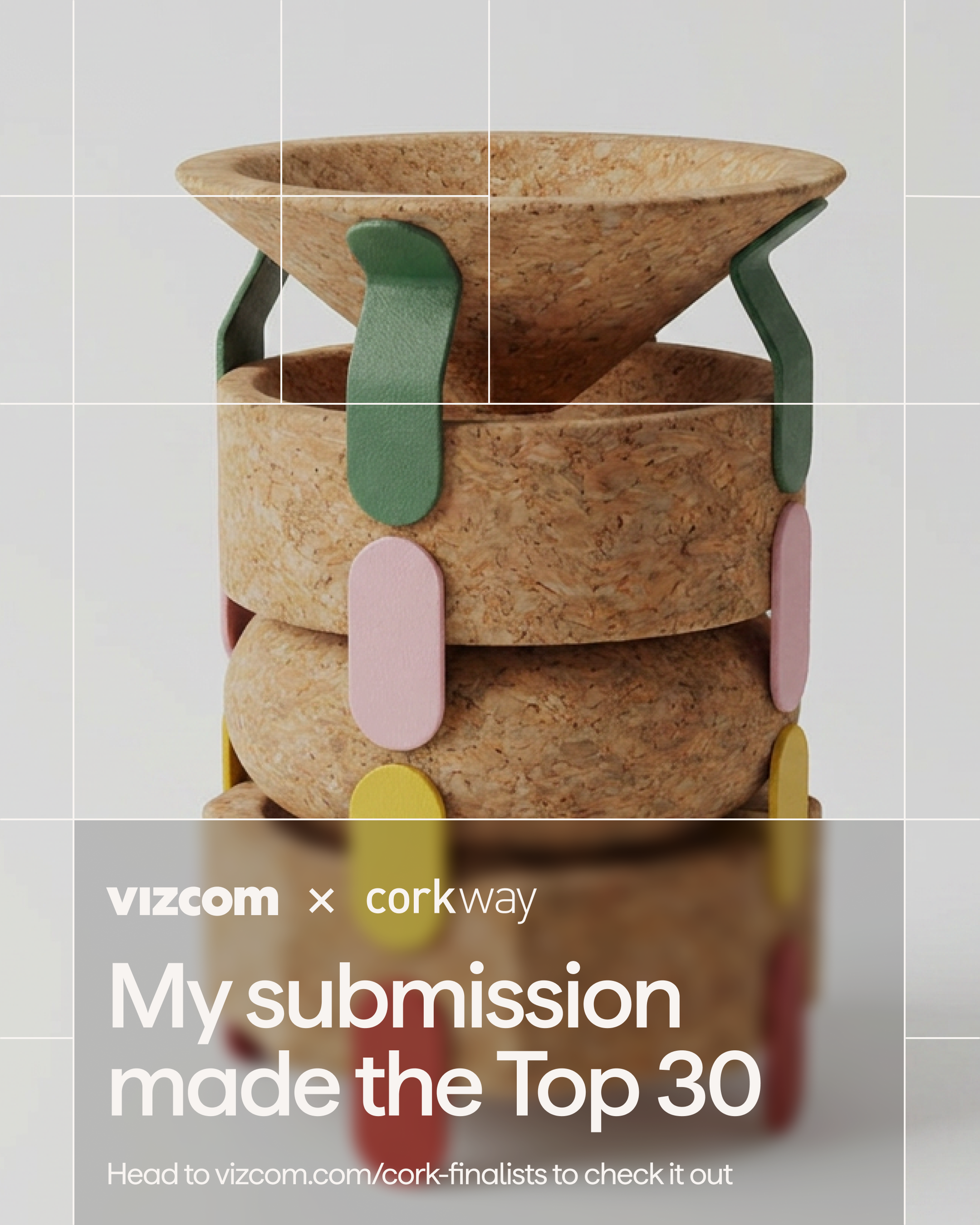
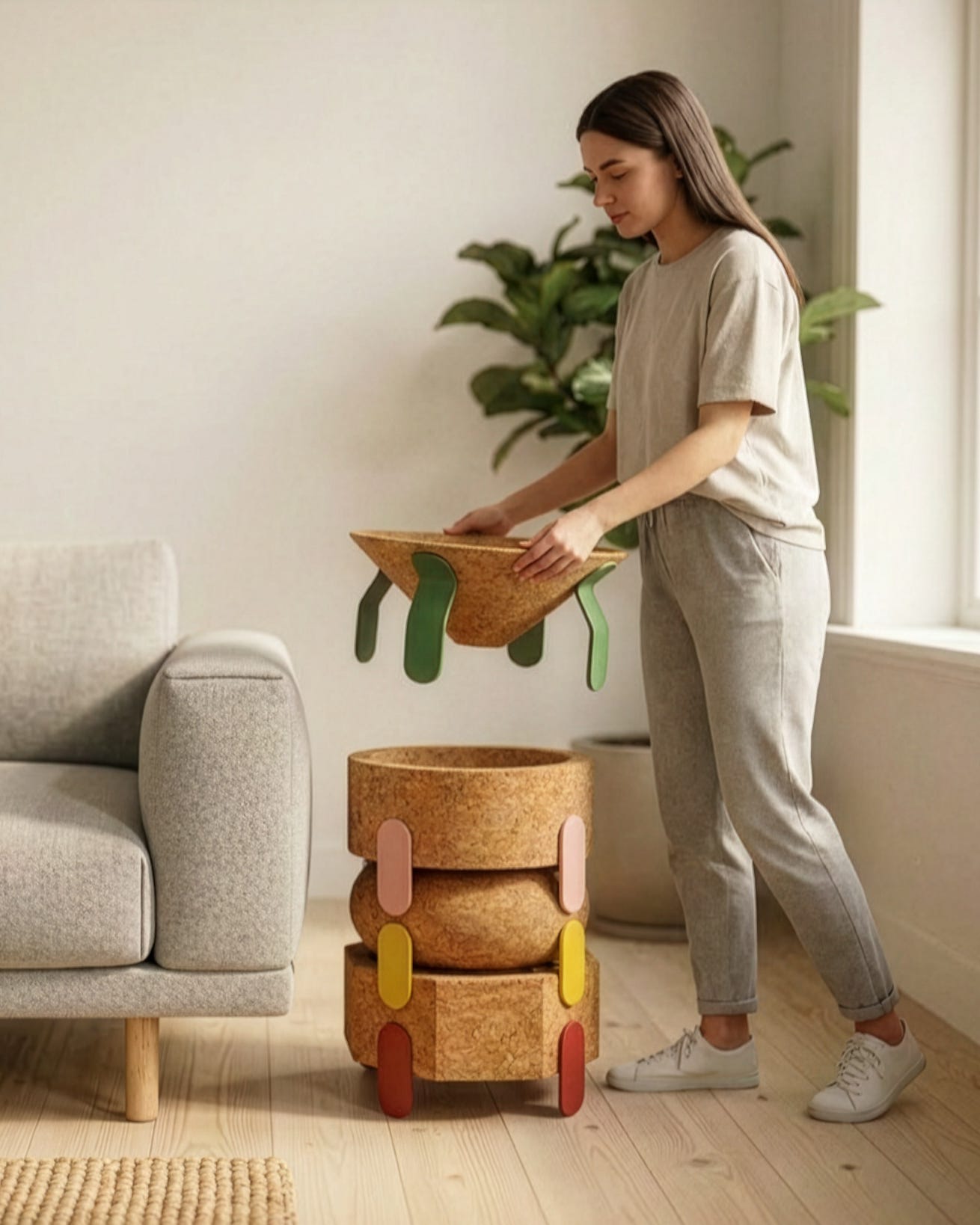
Last month I shared my submission for the Vizcom x Corkway challenge. Exploring speculative design concepts is a great way to stretch the muscles and really put your process into practice. These are rare opportunities for me and I really enjoyed refining this concept. Delighted that it was well received and was selected in the top 30 of over 400 submissions.


The Side Quest Continues
Last month I introduced our latest family side quest. A project that intentionally shuts itself off to my commercial work. A playground to explore, play and build. We’re building a camper. Follow along the journey from transforming this panel van into our family adventure camper in the Camper highlights reel on my IG:
https://www.instagram.com/bendurackdesign/
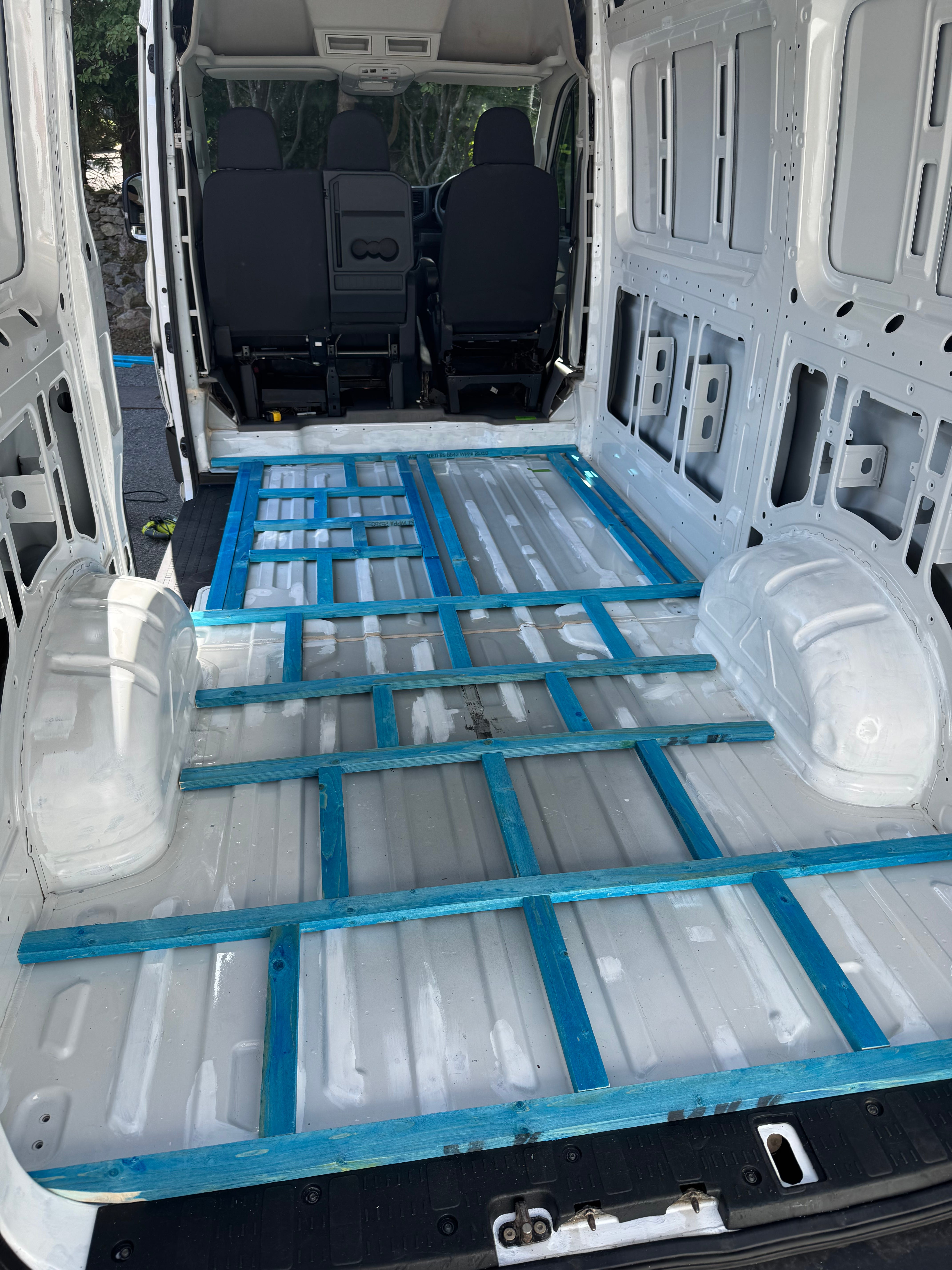
This month was all about the deep clean and beginning the sub floor. Loving diving into the research and exploring the best ways of transforming this van at each stage.
Before the deep clean:
After the deep clean:
Laying down the subfloor with treated battens. A second bench seat will be fixed just behind the drivers seat so the battening in this area will need to be fully reinforced. Next step: bond battens down, with with PIR insulation, cut and fit a new ply floor. We’re moving!