
Update 032.
How much design do designers actually do?

An Uncomfortable Question
I had a realisation a little while back that I had gone a whole week without actually designing anything. Most designers didn’t get into this industry to answer emails, sit on calls, strategise or plan. It got me thinking - how much of our time is actually spent designing?
As students I think most of us carry a fairly idealised vision of what a career in design might look like. Exciting projects. Meaningful work. Tangible progress - each day pushing projects forward. We don’t think about the admin, managing client relationships or the business side of things.
There are so many different paths you can take as a product designer - each one quietly shapes how much “design” you actually do day to day. Over the past month I’ve found myself talking about this a lot with friends in design - including one incredibly talented designer you’ll hear from further down.
The more I think about it, the harder it feels to generalise. The range across roles and industries is huge. But in loose terms, a few patterns keep coming up.
Designers working in consultancies tend to do the most hands on design work. At least early on, before strategy, management, and client relationships start to take up more space.
In-house designers often do less day to day but experience intense periods where they’re almost entirely focused on developing new products.
Freelance and independent designers usually have to split their time across many different roles, balancing design with the less visible work required to manage and grow a business.
Alongside this, there’s been a clear push toward increased productivity and broader responsibilities. Digitisation and the introduction of AI continues to reshape design work, creating new ways of working - all geared towards getting products to market ever faster. At the same time, designers are increasingly expected to have a rounded understanding of the wider business - squeezing design time more over time.
Is less design time a bad thing?
As with everything in life, there’s no one size fits all answer here. For me though? What excited me most about design was being able to realise ideas and never get bored. That’s still true for me - maybe more true than ever.
Constraints that used to exist have disappeared and the broader understanding of business has helped me better articulate the value I bring to the table to colleagues and stakeholders. No two days are the same for me and that’s something I am eternally grateful for.
Our First Guest Writer
This feels like a big moment for this newsletter.
I started this monthly update as a means of holding myself to account but also to engage with the design community. I’ve spoken to some incredible people over the years as a result of this newsletter and have long had ambitions of introducing new voices.
I’m delighted to introduce a good friend and someone I met through Substack - Mario Alessiani, an incredibly talented industrial designer based out of his hometown in Italy. Mario runs his own studio and has a fantastic Substack you should all be following where he shares behind the scenes access to projects as well as his thoughts on design.
Before we dive in, two Products I love:
Archetype-A
A stackable wooden chair with reclining backrest. Clean with a quietly beautiful interaction.
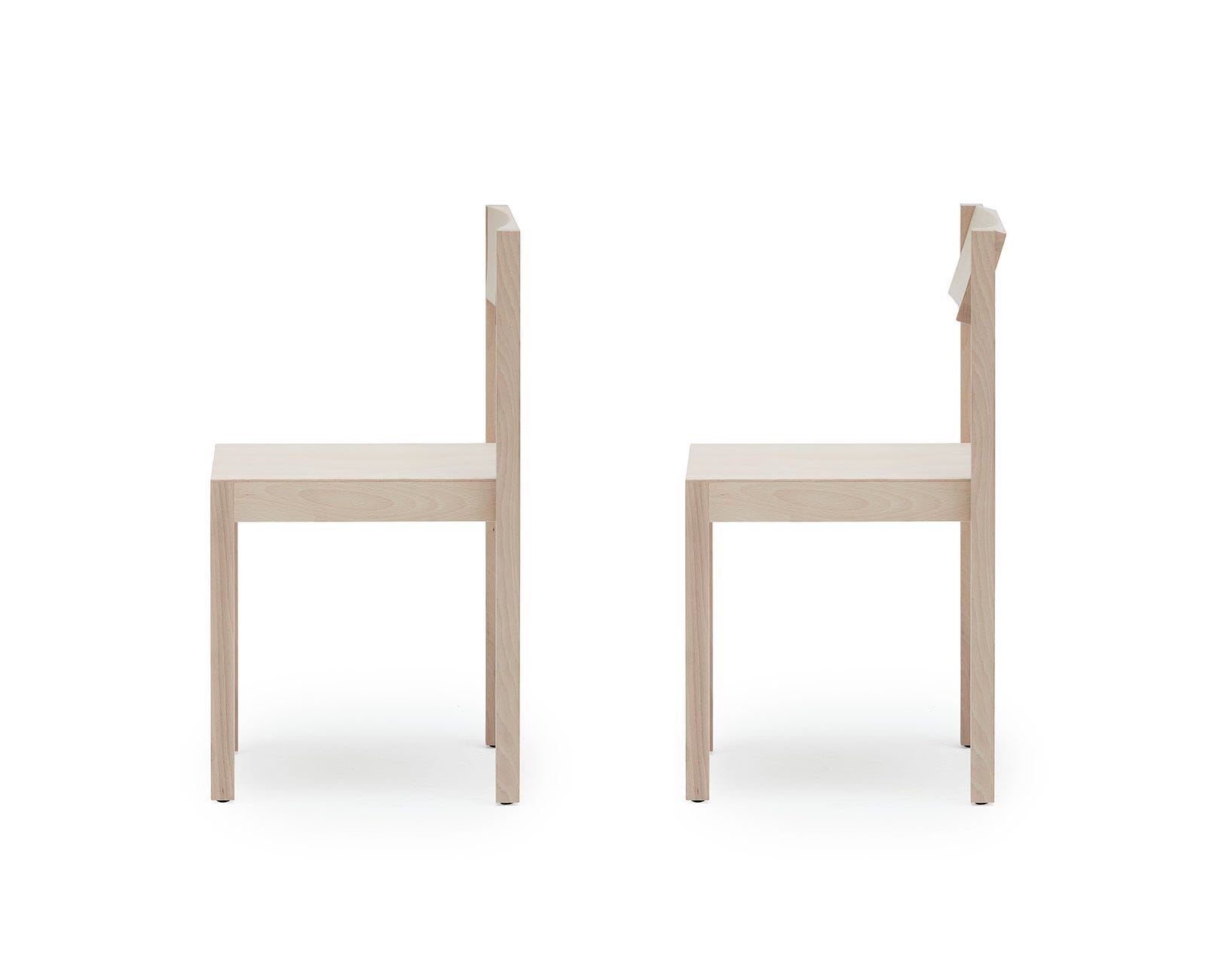
Vela
Developed from a lighting collection, this centrepiece is a stunning combination of folded sheet metal and hardwood. A centrepiece for any home.
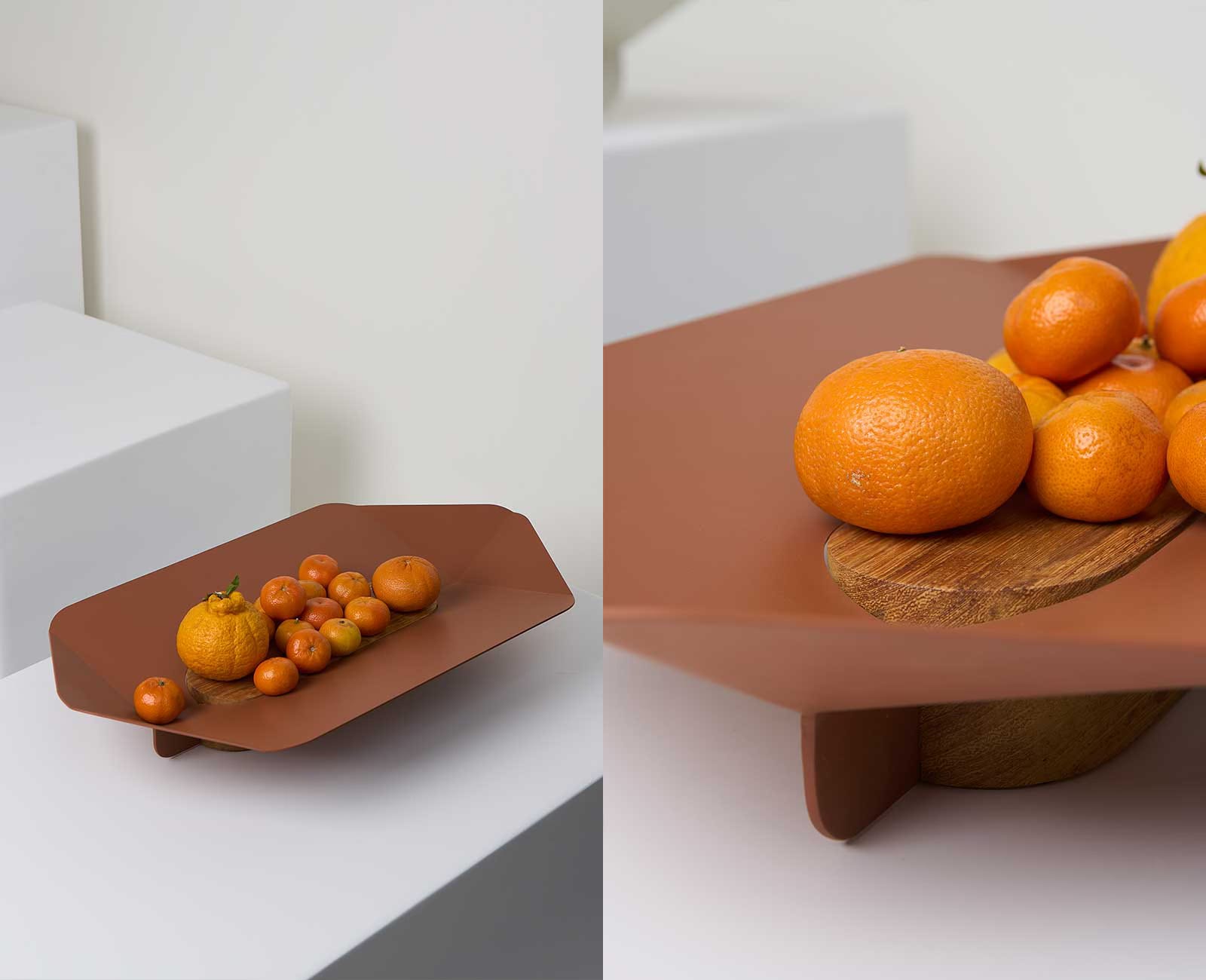
image credit: Mario Alessiani
So… what are Mario’s thoughts?
When I was younger, I imagined the role of a designer very differently from what it actually is today. I’m still not sure whether the job has always been this way, or if what I’m experiencing is simply part of the natural evolution of a designer over time.
To be honest, I didn’t really know what “doing design” meant even when I was a student. I enrolled in design thinking that architects were the ones designing objects, probably because in Italy, in the 1960s and 70s, that was often the case. Later, I realized that architecture and design are completely different disciplines. They sometimes intersect, but they follow very different logic. Even choosing to study product design already made me understand that the reality would be different from what I had imagined.
I remember a moment very clearly. It was around 2011, I was in London, at the Victoria & Albert Museum, during a talk by Fabio Novembre. At some point he said something that stuck with me: that a designer actually designs very little during the day. Most of the time is spent on calls, meetings and emails. The act of designing is reduced to a small portion of the working day. At the time, I didn’t fully relate to that.
For many years, my experience was different. I designed a lot, constantly. Looking back now, I’ve probably worked on more than 500 projects, including products that went into production, projects that never made it, and many concepts that remained just that. I spent years designing intensively, and that period was fundamental. Designing works a bit like sport: the more you train, the better you get. And if you don’t have a great coach, you learn by making mistakes - as I did.
Back then, the main thing people expected from me was simple: to design style-driven projects, ideas, concepts.
Today, things are much more complex.
Before even starting to design, I spend a lot of time on strategic conversations. Conversations with myself, but more importantly with my clients. Trying to understand what really needs to be designed, and sometimes helping them realize that what they think they need might not be the right answer.
When I was younger and less experienced, I relied much more on instinct and often trusted the client’s direction without questioning it too much. Now, with more experience, I can sense when a client might be heading in the wrong direction. And that’s part of the role. When you work within an industrial model, the designer is also a consultant. You’re expected to give advice, not just form.
As a result, my projects have become more refined. Refinement means narrowing the field. I filter ideas much more than before, selecting only the ones that truly make sense. This increases research time, but it shortens the design phase itself, because when I start designing, I know exactly what I’m doing. I understand materials, processes, constraints and that clarity makes execution faster.
At the same time, as your practice grows, so do responsibilities. Financial management, for example, has become more complex, not because I became rich, but because things are no longer done randomly. Managing money properly is essential if you want to grow. If you don’t understand how resources work, you risk blocking yourself, spending badly, or missing opportunities to evolve.
Then there’s networking and communication. At a certain point, you realize that having both a physical and a digital network is crucial to improve the quality of your work. The more people know you, the higher the chance of working on projects that matter - with people who share your values and understand what you want to build. Design collaborations are not just economic relationships; they’re long-term paths.
All of this takes time. Communication takes time. Building visibility takes time. And yet, none of it works without strong projects. Without good design, there is nothing to communicate, no reason to grow, no network to sustain.
So the real question is not whether I have changed, or whether the role of the designer has changed, it’s probably both.
My experience tells me this is a necessary step for many designers. You start as a “pure” designer, focused almost entirely on making things. Over time, the role becomes more complex and more strategic.
In furniture and lighting especially, the role of the designer is shifting. Companies are investing less in discovering new icons and more in reinforcing existing ones. Market conditions have changed, marketing has changed, and the ability to build meaningful collaborations has shifted as well.
This places designers in a new position, one that requires not only design skills, but strategic thinking, communication, and adaptability. Designing objects remains fundamental, but it becomes one of several tools used to generate innovation.
I’ve been reflecting a lot on this shift recently, especially on how the role of designers in furniture and lighting is becoming increasingly strategic. It’s something I explore more deeply in my newsletter in recent days. Writing has become one of the tools I use to think through these changes, not to explain them, but to understand them better.
In the end, I don’t think designers design less.
I think design has expanded beyond the object.
I want to hear from you
This is a big topic and I’d love to hear your thoughts on this - are you designing less than you used to? Are you designing less than you expected to? Are you ok with that? Let’s start the conversation in the comments.
Want to listen to this update as a podcast?
Try listening to this month’s update as a podcast below and let me know what you think. I have been testing the water with notebooklm for a year now and it keeps getting better.
Don’t forget, help me to spread the reach and get more products off the ground by getting your friends and family to sign up below :)
My Products, My philosophy
I find myself more driven than ever to put thoughtful, meaningful products out into the world that don’t compromise on quality. The type of products people want to own and help in some way.
Too often we find ourselves in autopilot, trying to complete the never ending to do list we really don’t stand a chance of ever getting to the bottom of.
I want to design products that intentionally take us out of auto-pilot. That incense holder that sits next to you throughout the day, reminding you to take a break. The coffee cup that feels just right in the hand and encourages you to savour every sip.
Objects designed to help you notice the moments you’re in. Start your 2026 right and support a small independent designer :)


As a thank you, you can use this discount code at checkout (available site wide): SubstackCrew (10% off).

Last months most clicked link: An AI powered sticker printer for kids.
My top 5 pieces of content I have found helpful/inspiring:
1.
The crit - Jon Marshall. Thought provoking conversation with Jon, industrial designer at Pentagram. Especially loved hearing about how he developed one of our family favourite products the Yoto player.
2.
Wild Robot. This has been on the list to watch with the kids for too long. This was the month and what a heartwarming story told through beautiful animation.
3.
The Monkey Sony Walkman ad. No dialogue, no slogans - pure restraint in an age where selling specs was the norm.
4.
Behind the Scenes - the Lego Smart Brick. No doubt you’ve come across the new lego smart play system. I have loved seeing updates on Linkedin from people in my network that have worked for lego and have finally been able to share this big project. I worry for the cost but appreciate the focus on encouraging play (and avoiding screen based interactions).
5.
Jacques Monneraud coffee cups. I have admired his work for a while - his ability to so perfectly replicate corrugated card in clay is unreal. These playful cups are stunning.

The Nostalgia Machine
I am always testing new tools and I am 100% a technophile. Nothing in life is a zero sum game to me, I don’t believe you need to choose between analogue/digital or traditional/contemporary. I believe strongly that being open to things makes us better at what we do.
That being said, the world around us only continues to spin faster. AGI is seemingly around the corner and the volume of everything has been dialled up - noise is everywhere. Maximalism is coming back big in 2026 as people seek to curate a calm in the home - insulating themselves from the outside world. Alongside this, I expect to see a lot more retro based nostalgia coming back - particularly Anemoia (yearning for a time you never personally experienced) which I predict will be a growing trend within Gen-Z this year.
I have been feeling this pull myself and have been looking for a playful disconnect that doesn’t grow into an unhealthy addiction I don’t have time to feed. The PSP turned 20 last year - that is still wild to me. I loved this handheld and was one of the first in Belgium to get my hands on one, queuing in line on launch day! I spent hours on this handheld growing up and have incredibly fond memories. The PSP still holds up today in my view… but could do with a facelift.
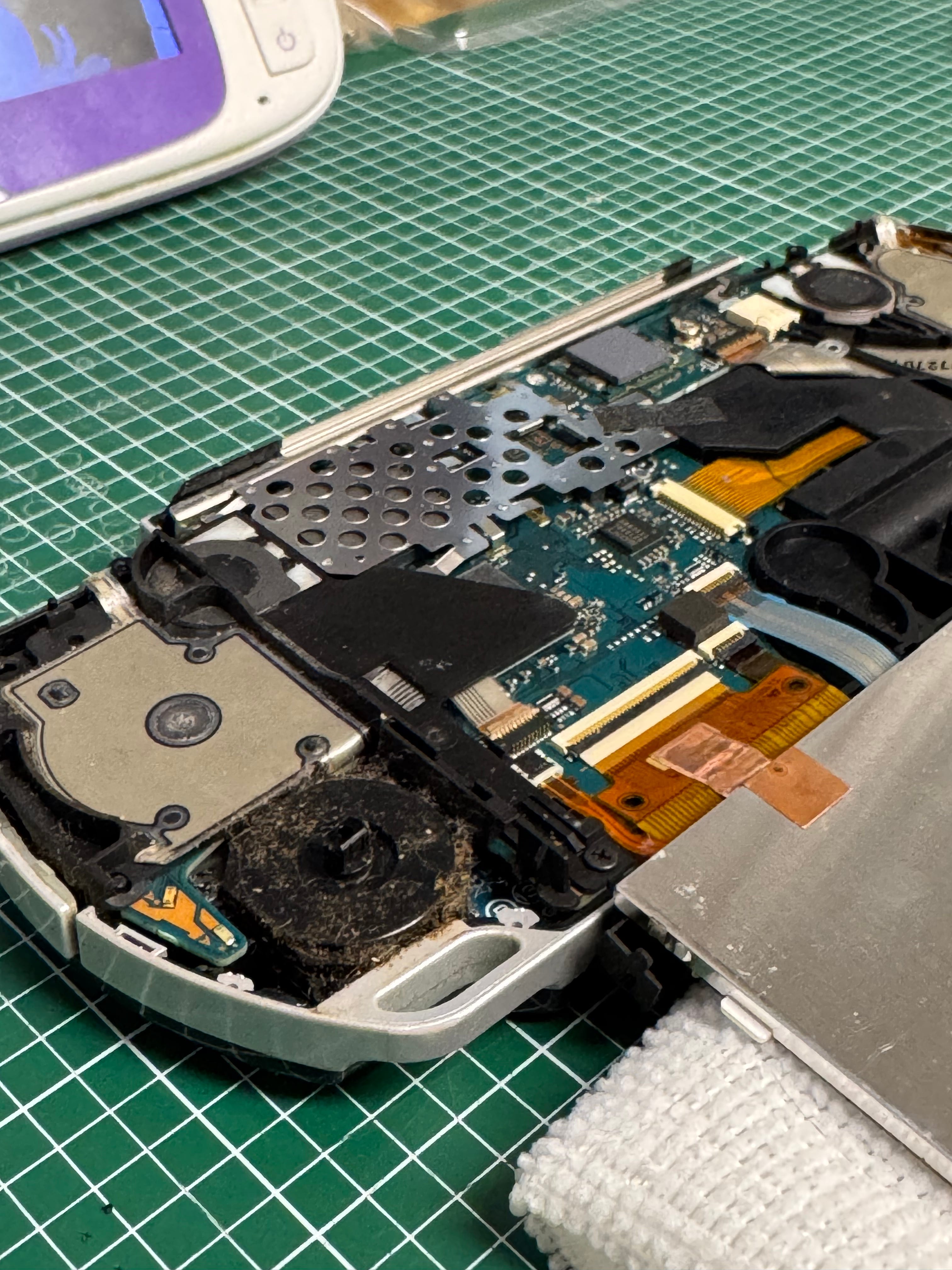
As a designer, I have always enjoyed taking things apart (often not being able to put them back together again!) - I think of it as a right of passage - a means of understanding how things are made but also the small design decisions others have made. Taking this PSP apart, cleaning it (much needed!) and rebuilding it was a great escape and boy does it look the part now.
Enjoying going down memory lane with this one. Let me know what games I should be playing!
Studio Upgrade
One day I will do a studio tour in an update. My small studio packs a punch - it’s a small space that is incredibly flexible. That being said, my drawers were a mess. I couldn’t afford not to be maximising this space anymore so took some time to really think about what each drawer should be doing. With that in mind, I designed and 3D printed simple inlays so that everything has a place - meaning I should always be able to find what I need… when I need it!


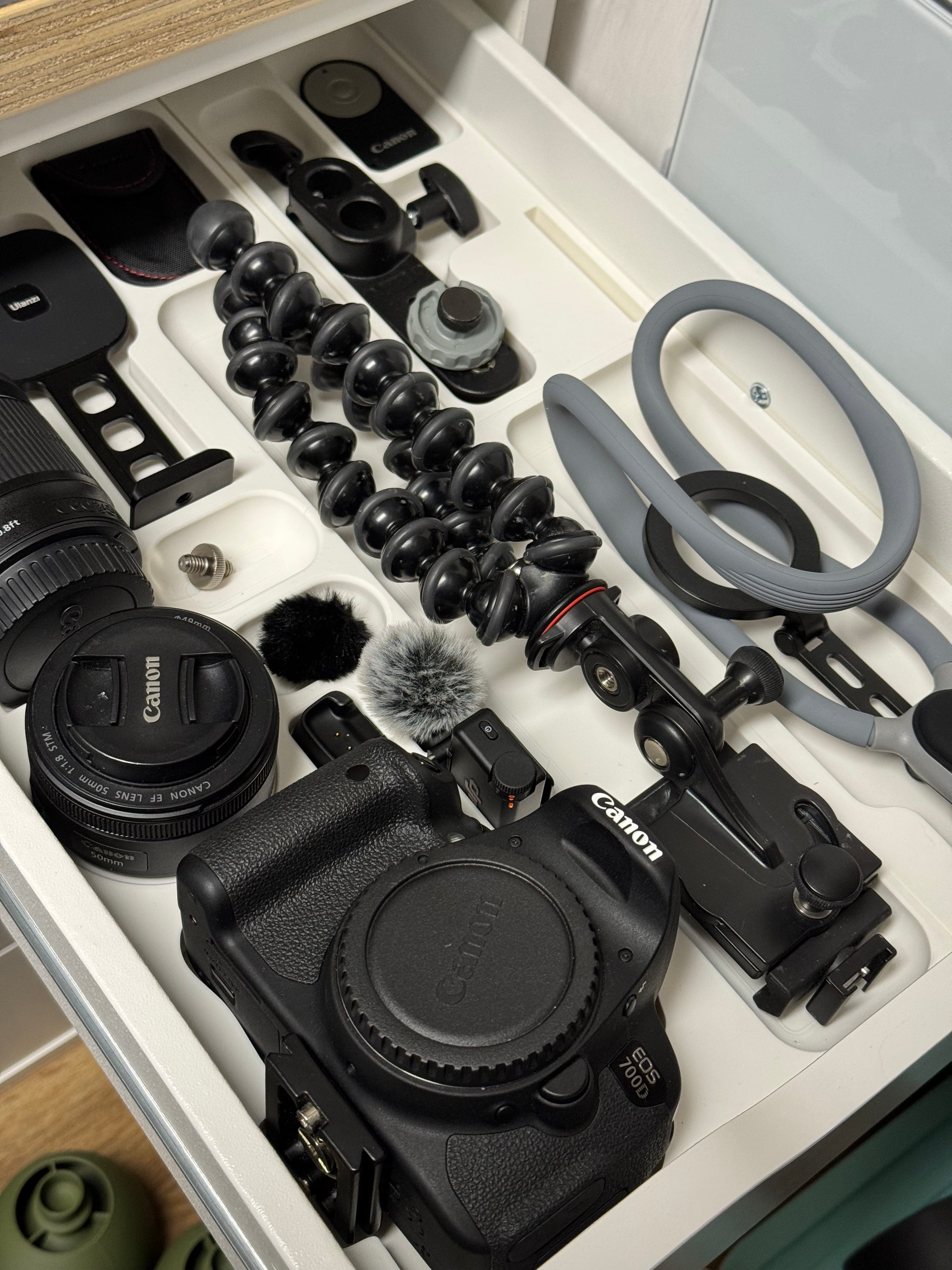
The little things stack up.
One last thing…
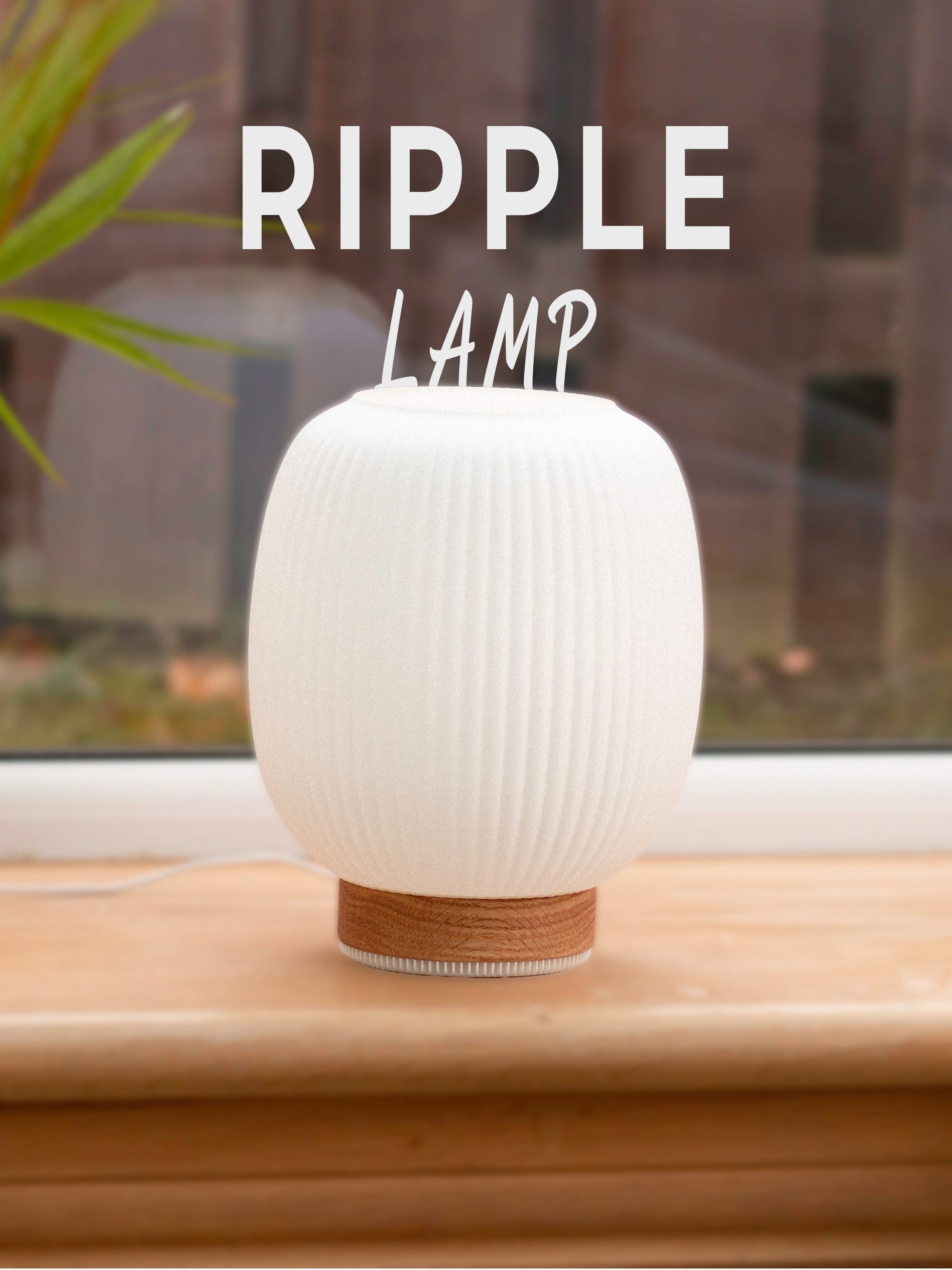
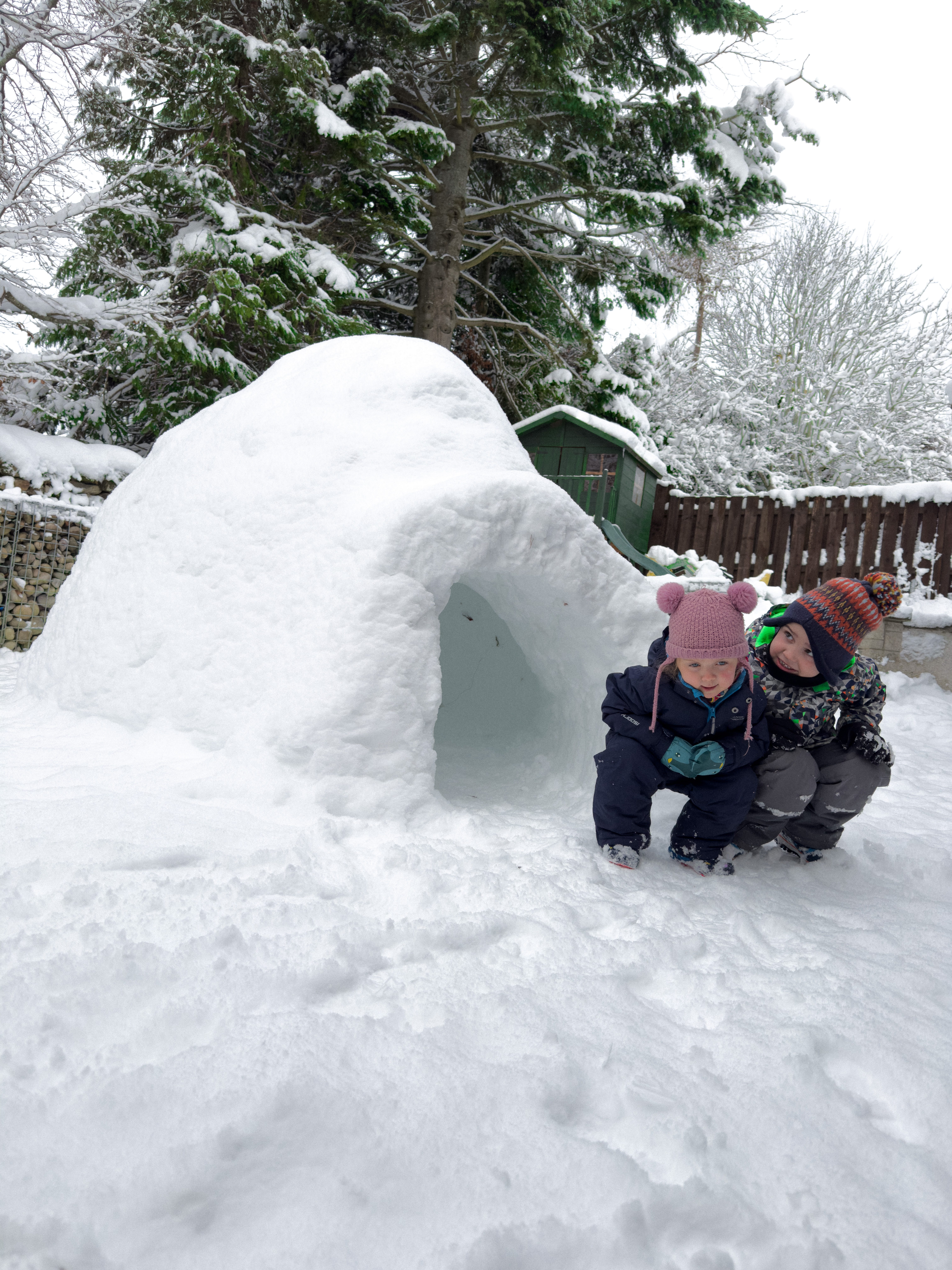
I shared the Ripple Lamp last month. A quick project for the home and a nice little stretch of the muscles in a no stress environment. It’s been keeping us cosy up here in Aberdeen with the apocalyptic amount of snow that quite literally closed the schools and forced us all to stay home. We rarely shy away from an overly ambitious project in our family - so we committed to a 4 person Igloo… fairy lights and all.
The Ripple Lamp has been optimised (for 3D print, removing the CNC oak piece) and is now available for anyone to print their own on makerworld. You can print yours here: