
Update 034.
Making as Therapy

We’re obsessed with productivity - continuously trying to squeeze out that last 0.5%. Or maybe that’s just me?
The goal posts for productivity have been pushed further still now that agentic AI has arrived. Some people are already deploying hundreds of agents to do in seconds what took us days. The world isn’t just accelerating - it’s compounding. And somewhere in the middle of all that, it’s worth asking: what’s it actually for?
The promise was always that efficiency would free us. Instead it just raised the baseline. We got more done and immediately found more to do.
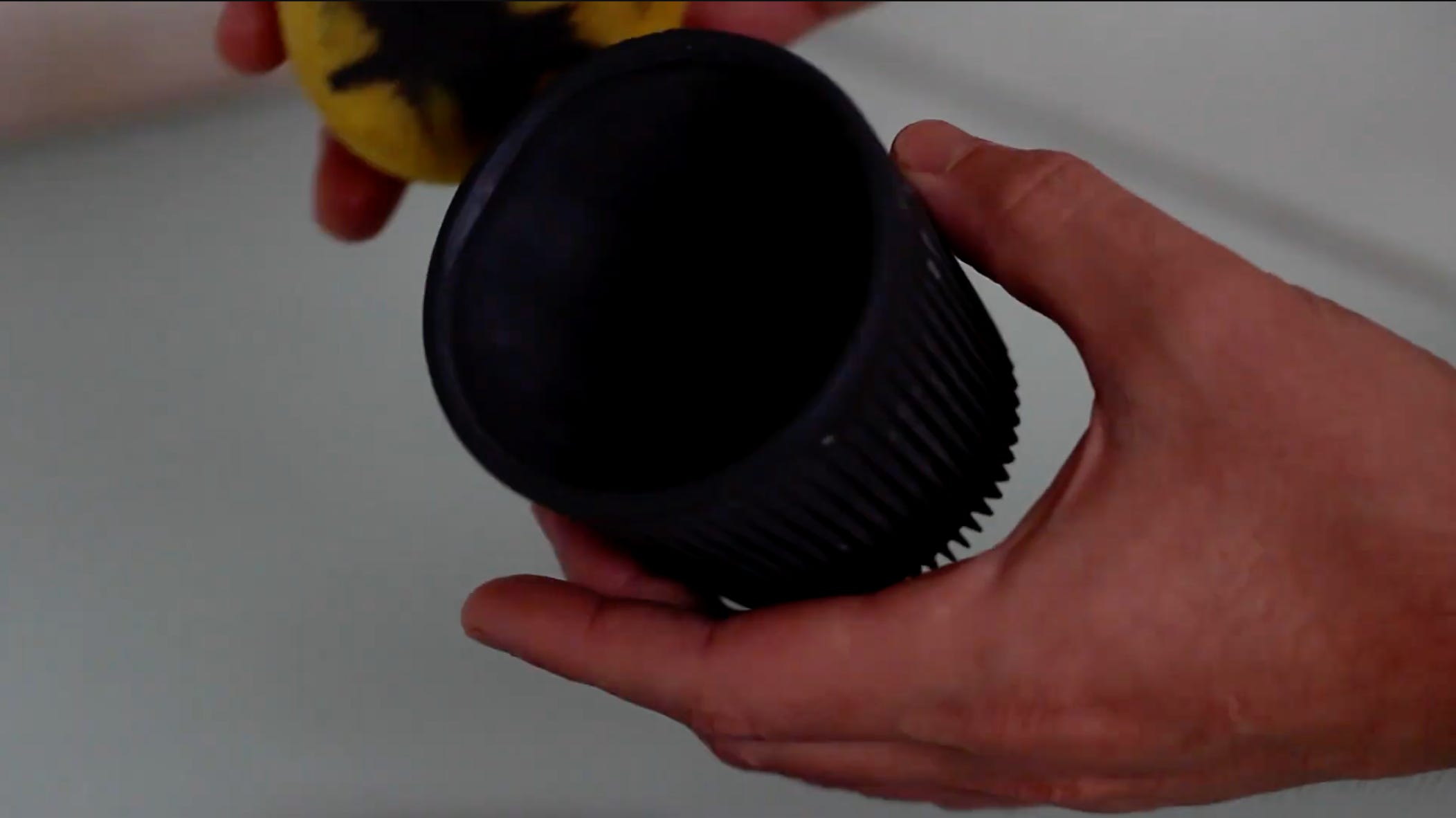
Maybe we need to go the other way. Be a little less productive. Make more of the things the world considers useless - a cup, a mark on wood, a fold in paper.
The Research
Have you ever found yourself totally consumed with what you’re doing - losing all sense of time? It’s my favourite sense of self. When the conditions are just right, you hit that flow state and the world around you melts away.
A 2016 Drexel University study found that 45 minutes of making - measurably lowered cortisol levels in 75% of participants. Regardless of skill level. Cortisol is the stress hormone your body releases when it's in fight-or-flight. The same one that spikes when you open your inbox at 7am, or toggle between 14 browser tabs. Making something with your hands pushes it in the other direction.
Alongside this, a 2024 study published in Frontiers in Public Health, drawing on survey data from over 7,000 adults in England, found that making arts and crafts significantly predicted increased life satisfaction, happiness, and a sense that life is worthwhile - above and beyond age, income, health, and employment. That’s huge.
Occupational Therapists refer to flow state as the “just Right Challenge”. something that is not too easy, not too hard. A challenge that pushes just that little beyond your current capability. This is the condition that tends to produce flow. As designers, we are constantly pushing ourselves just beyond our current capability - learning new skills as a means to evolve our practice. Without this mindset, I wouldn’t have scratched that itch I had about pushing slip casting to create Mμ - snowballing into my current product line. I wouldn’t have cut holes in a perfectly good van to transform it into a camper.


Making is a form of therapy. Or at least it is for me - and it’s not always cheaper than traditional therapy!
Design that Slows us Down
This is where slow design moves beyond being just an ethical choice and starts being something with actual stakes.
There’s been a growing conversation around slow living - slow food, slow travel, the deliberate resistance to speed for its own sake. And looking at the research above - it’s clear why! I think slow design belongs in that conversation. Products designed to introduce friction - not remove it.
Take my coffee products. Purchased with intention and used deliberately each morning. This sits in direct opposition to a notification-driven start to the day. It doesn’t optimise your morning. It interrupts it, in the best possible way. It asks you to be present for 2 minutes it takes to make a coffee, instead of being productive from the second you wake up.
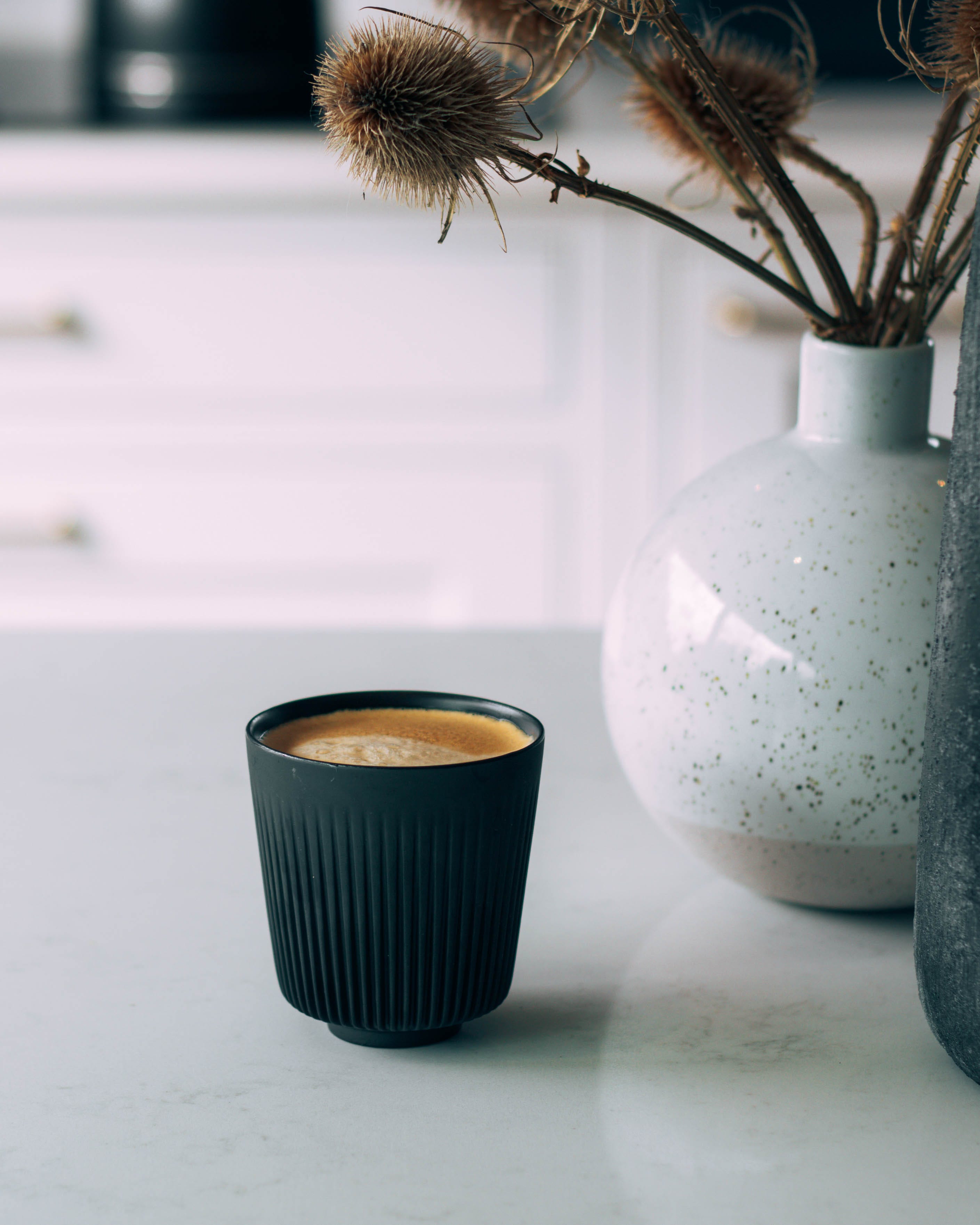
This is the thing I keep coming back to when designing my own line of products. Every product I introduce, the goal isn’t to create hype. It’s to add a moment of resistance to autopilot. A small, physical interruption in the stream of noise.
That’s what slow design means to me. Not slower manufacturing. Not nostalgia for handcraft. A designed pause.
Making as Therapy
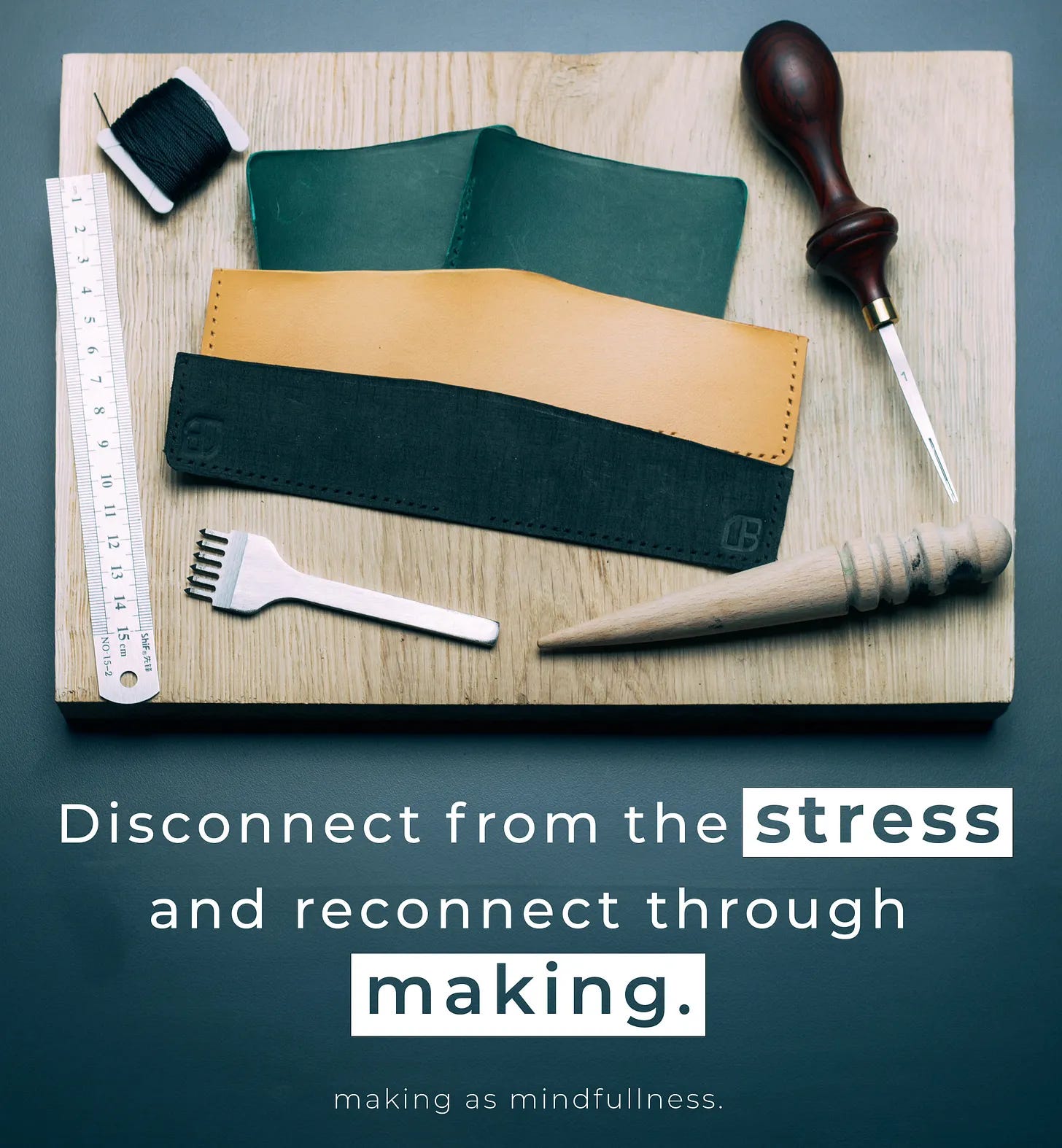
Back in Update 005 (back in Oct 23!), I Introduced The Grampian. A DIY, premium wallet kit that takes you on journey of discovery into a craft that has been practised for 400,000 years. With this kit you would get:
Your choice of matched full grain leather
All of the tools to get started with leather working (needles / edge beveler / leather glue / edge slicker / burnishing gum)
Designed Experience: Die cut leather and a high value video guide to guarantee even a total beginner can produce a premium wallet to be proud of and cherish
By committing to the process, you’re not just making a wallet, you’re investing in it. This is what slow design means to me - a chance to slow down, reconnect with your hands, and reclaim a sense of presence in a world that constantly pushes us to go faster.


A Small Ask
Did this months focus resonate with you? Do you own one of my products? Can I kindly ask you to consider writing a review on my website? Your feedback helps others trust in my little brand. It only takes a minute and means the world.
Want to listen to this update as a podcast?
Try listening to this month’s update as a podcast below and let me know what you think. I have been testing the water with notebooklm for a year now and it keeps getting better.
Don’t forget, help me to spread the reach and get more products off the ground by getting your friends and family to sign up below :)
My Products, My philosophy
I find myself more driven than ever to put thoughtful, meaningful products out into the world that don’t compromise on quality. The type of products people want to own and help in some way.
I want to design products that intentionally take us out of auto-pilot. That incense holder that sits next to you throughout the day, reminding you to take a break. The coffee cup that feels just right in the hand and encourages you to savour every sip.
Objects designed to help you notice the moments you’re in. Start your 2026 right and support a small independent designer :)


As a thank you, you can use this discount code at checkout (available site wide): SubstackCrew (10% off).

Last months most clicked link: Lessons Learned Shipping 500 Units of my First Hardware Product.
My top 5 pieces of content I have found helpful/inspiring:
1.
The race to save the clay: Wallace & Gromit. I have always enjoyed watching behind the scenes videos on stop motion. The details draw me in. Great little WSJ piece.
2.
Did the PSP Fail? This console is 20 years old! The PSP for me is peak nostalgia. I remember the anticipation before it launched, standing in the queue on launch day and the incredible memories I had with mine.
3.
The Designer Who Makes You Forget Design | Naoto Fukasawa. One of my all time favourite designers and really enjoying this channel’s videos. Cannot recommend his Phaidon book enough!
4.
Navigating the Matrix. Casey Neistat has an incredible power in telling stories that resonate. Boy does this one resonate.
5.
Build your own Eames House. Will be keeping a close eye on this one when it launches at Milan Design Week later this month!

More Making as Therapy
I am driven to make things. Quite often, these are projects that have no commercial lens at all. They allow me to scratch an itch, keep my sanity and quite often show my loved ones that I care.
My wife and I both love food. You can’t beat a little cheese board / small plates / antipasti.
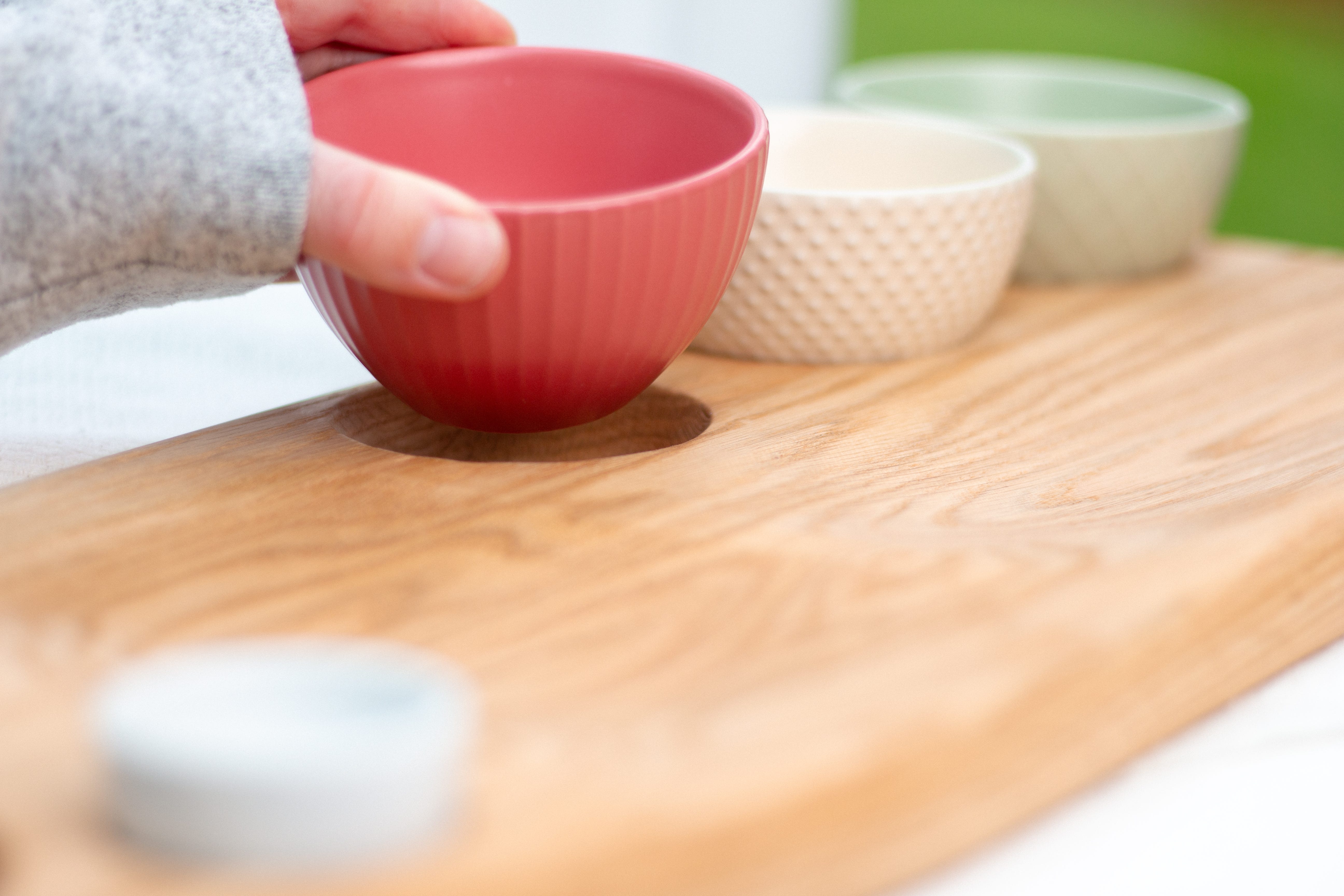
For years, we’ve just used a collection of bowls and cutting boards. It served our needs. For Christmas last year, I spent a few months thinking about how I could make something that would heighten our experience, specifically for our setup.
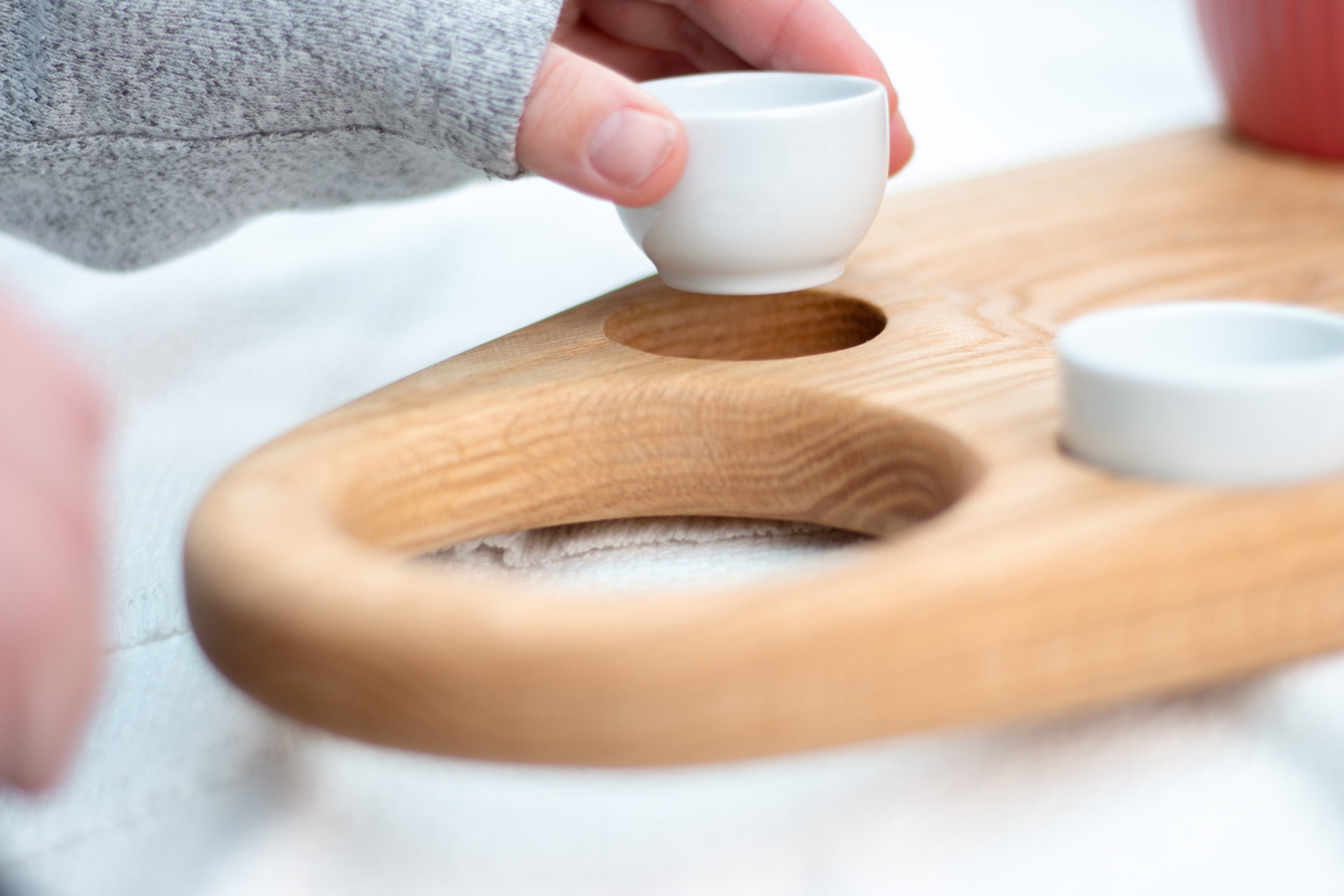
Two small ceramic pots. One for mustard, the other for celery salt - a classic pairing in Belgium served with young gouda (the cheese sits in a softly scooped area to right).


Playful ceramic bowls, perfectly sized, sunk into the machined oak board. Two soft pockets machined into the oak, one for cheese and one for a nice sourdough bread.
Don’t get too caught up, trying to squeeze out that last 0.5%. Remember to disconnect and make. Whether that’s through craft, cooking or sport! How do you find that flow state?
Every Saturday morning I do woodwork, I know exactly what you mean!
Hi Ben, I’ve sent you couple emails(one in response to a review request) and have not heard from you since. I do get that you are probably a busy person, but you are asking for a review, so I’m hoping you can spare a minute an reply